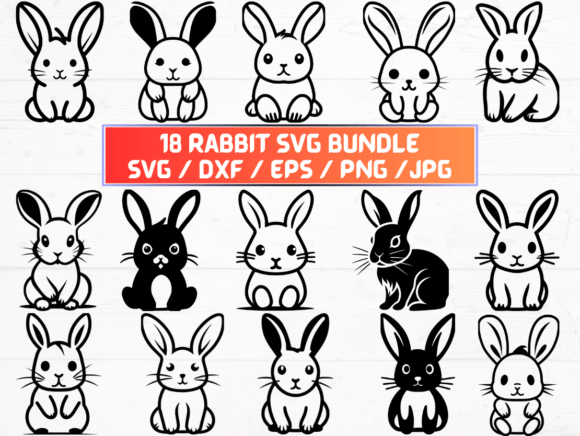
Rabbit SVG DXF EPS JPG PNG Files for Creative Projects
Whether you're designing logos, creating digital art, or preparing materials for print, having access to high-quality vector and raster files is essential. Rabbit SVG, DXF, EPS, JPG, and PNG files offer a versatile solution for creators across different industries and skill levels. These files are designed to meet the needs of professionals and hobbyists alike, ensuring that every project starts with a solid foundation.
Understanding the File Formats
Rabbit SVG, DXF, EPS, JPG, and PNG files are all digital formats used for different purposes. SVG (Scalable Vector Graphics) files are ideal for web use because they scale without losing quality. DXF (Drawing Exchange Format) files are commonly used in CAD software for engineering and architectural designs. EPS (Encapsulated PostScript) files are vector-based and suitable for high-resolution printing. JPG (Joint Photographic Experts Group) and PNG (Portable Network Graphics) are raster formats, with PNG supporting transparency and higher quality for images with sharp edges.
Why Different Audiences Care About Rabbit Files
For beginners, the availability of multiple file types means they can start with the format that best suits their current tools and skills. A new designer might prefer PNG or JPG for quick edits in photo editing software like Photoshop. Meanwhile, an experienced graphic designer may appreciate the precision of SVG or EPS for scalable illustrations that maintain quality at any size.
Creators and entrepreneurs looking to build brand assets benefit from having files in various formats. For instance, a small business owner might need an SVG file for a logo that can be resized for social media, while also requiring a PNG version with a transparent background for website banners. This flexibility ensures that branding remains consistent across different platforms.
How Professionals Use Rabbit Files
Professionals such as illustrators, marketers, and educators often require high-quality, editable files for their projects. An illustrator might use the SVG format to create detailed artwork that can be easily modified and scaled for different uses. Marketers could leverage the PNG format with transparent backgrounds for digital campaigns where the image needs to blend seamlessly with other elements on a webpage or in a presentation.
Educators and publishers may find the DXF format particularly useful when integrating design elements into technical drawings or educational materials. The ability to edit these files in CAD software allows for precise adjustments that align with instructional content or publishing standards.
Practical Examples for Different Users
A blogger interested in adding visual content to their posts might choose the PNG format for its clarity and support for transparency. This makes it easy to overlay images onto different backgrounds without visible borders or unwanted white spaces. On the other hand, a freelance designer working on a client's website may prefer SVG files because they load quickly and maintain quality on screen, which is crucial for user experience.
Small business owners who need marketing materials for both online and print use may value having both JPG and EPS versions of the same image. JPG files are great for web use due to their smaller file size, while EPS ensures that the image looks crisp and clear when printed professionally.
Choosing the Right Format for Your Needs
Selecting the right file format depends on your specific goals and the tools you're using. If you're working on a digital project that requires scalability and editability, SVG or EPS would be ideal choices. For print-ready materials, EPS or high-resolution JPG files are more appropriate. PNG files are excellent for digital use where transparency is needed, while DXF files cater to those working with CAD software for technical designs.
No matter your level of expertise or the nature of your project, having access to Rabbit SVG, DXF, EPS, JPG, and PNG files provides the flexibility to adapt your designs to different contexts. Whether you're a beginner just starting out or a professional managing complex projects, these files serve as a reliable resource for creative exploration and practical application.